
INDUSTRY
Government rolls out standards for higher blending of ethanol in petrol up to 30%
- IBJ Bureau
- May 20, 2026
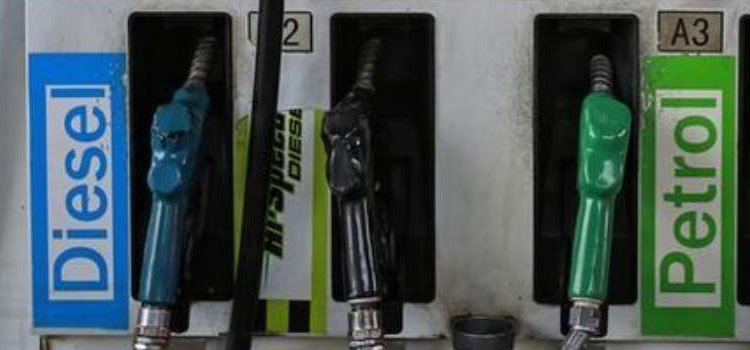
India has formally notified fuel specifications for higher ethanol-blended petrol variants, including E22, E25, E27 and E30.
This creates a regulatory framework for the next phase of the country’s ethanol-blending programme.
In a notification, dated May 15, 2026, the Bureau of Indian Standards (BIS) has established standard IS 19850:2026 for “E22, E25, E27 and E30 fuel, admixture of anhydrous ethanol and motor gasoline for usage in positive ignition engine-powered vehicles”.
The standards define specifications for higher ethanol-petrol blends intended for use in petrol-powered vehicles, as the government expands its biofuel roadmap beyond the existing E20 blending target.
The notification marks the latest regulatory step in India’s broader effort to increase use of ethanol in transportation fuels.
The Centre has repeatedly said that higher blending of ethanol can help reduce crude oil imports, support domestic agriculture and lower vehicular emissions.
India has accelerated its ethanol-blending programme in recent years after advancing the target for 20 per cent ethanol blending in petrol from 2030 to the ethanol supply year 2025-26.
According to the data released by the Ministry of Petroleum and Natural Gas earlier this year, India had already crossed the 18 per cent ethanol-blending mark nationally, with public sector oil marketing companies expanding procurement and supply infrastructure to meet the E20 rollout timeline.
The government had launched E20 fuel at select retail outlets in 2023 as a part of a phased introduction.
Automobile manufacturers subsequently began introducing E20-compatible vehicles across segments in line with the government’s timelines and fuel-transition plans.
The ethanol-blending programme has become a central part of India’s energy diversification strategy.
The government has consistently linked the policy to reduce dependence on imported crude oil and increase the use of domestically produced biofuels.
India imports more than 85 per cent of its crude oil requirement, making fuel diversification and import substitution a recurring policy focus for the Centre, particularly during periods of volatility in global oil markets.



















Report By
View Reporter News