
ECONOMY
Structural issues mar FTA gains for Indian exporters even as their foreign peers prosper
- IBJ Bureau
- Jun 10, 2026
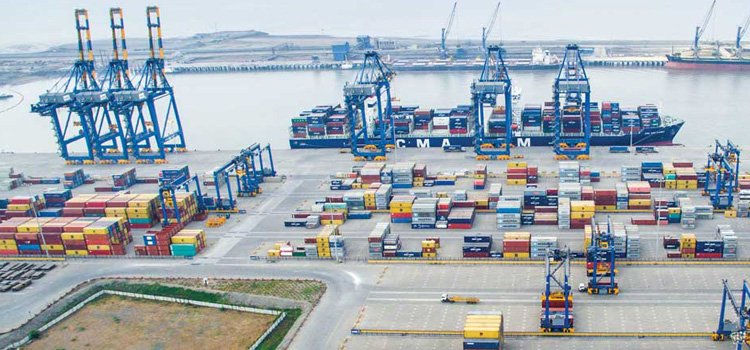
India currently has 15 free trade agreements (FTAs) in force and is negotiating or implementing another nine agreements.
These pacts could eventually cover 69 countries, accounting for more than 75 per cent of the country’s exports.
However, despite the expanding trade network, only around 20 to 30 per cent of India’s eligible exporters make use of FTA benefits, while exporters from partner countries utilise preferential access to India at much higher rates of 60 to 70 per cent, according to a new report by the Global Trade Research Initiative (GTRI).
The report, titled FTA Report Card 2026: Six Challenges India Can No Longer Ignore, argues that tariff preferences alone are not enough to boost exports and warns that several structural issues are limiting India’s gains from FTAs.
According to the report, one of the biggest challenges is the low utilisation of FTA benefits by Indian exporters.
Many partner countries already maintain low Most Favoured Nation (MFN) tariffs, reducing the advantage offered by preferential access.
In several cases, the costs associated with rules of origin and requirements of certification and documentation outweigh the savings generated by lower tariffs.
As a result, Indian exporters often prefer to ship under normal tariff regimes rather than claim FTA preferences.
Meanwhile, foreign exporters have a stronger incentive to use FTAs because India’s tariff structure remains relatively high, making preferential access more valuable, the report adds.
Besides, GTRI notes that FTAs have aggravated India’s inverted duty structure, where duties on raw materials and inputs are higher than those on finished goods.
This makes imported products cheaper and creates incentives for companies to shift manufacturing to countries such as Vietnam, Thailand and Indonesia.
The report warns that such trends could encourage companies to “Make in ASEAN, Sell in India” instead of expanding domestic production.














Report By
View Reporter News