
INFRASTRUCTURE
Cabinet clears Rs 13,041-cr rail, highway projects to ease and speed up transport
- IBJ Bureau
- Aug 20, 2026
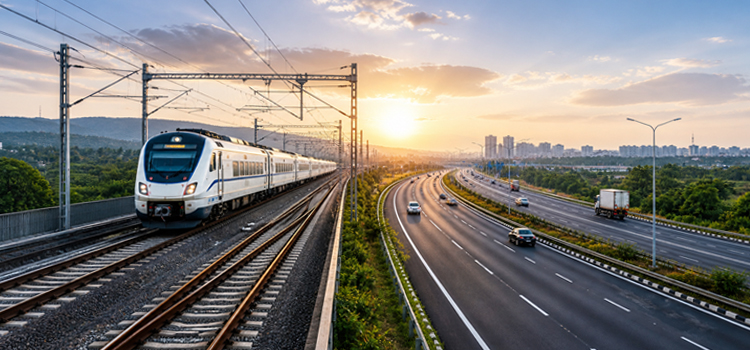
The Union Cabinet has approved four railway projects and a highway project worth Rs 13,041 crore.
The first three railway projects are a part of the Howrah-Chennai high-density network route and involve adding the third and fourth lines on key sections, Union Railway Minister Ashwini Vaishnaw has said at a Cabinet briefing.
“From Howrah to Chennai, we will ultimately have a complete quadrupled, four-line route. This will allow us to operate many more trains. It will also facilitate the movement of cargo and make maintenance easier,” Mr Vaishnaw adds.
The three projects on the Howrah-Chennai route are the fourth line between Kharagpur and Bhadrak (Ranital), the fourth line between Bhadrak and Haridaspur and the third and fourth lines between Gummidipundi and Gudur.
The Howrah-Chennai route is one of the country’s key railway corridors carrying long-distance passenger and freight traffic between eastern and southern India.
Vaishnaw said the railway network has seven key lines, including the Delhi-Howrah, Howrah-Chennai and Chennai-Mumbai routes, along with diagonal routes connecting Delhi with Chennai and Mumbai with Howrah, and the northeastern line towards Guwahati.
The fourth railway project involves construction of the third and fourth lines on the 72-km Cuttack-Paradeep (Badabandha) section at a cost of Rs 2,286 crore.
The project is scheduled to be completed in four years and covers Cuttack and Jagatsinghpur districts in Odisha.
This project connects Paradip port with the Howrah-Chennai high-density network in Cuttack and forms a part of the Jharsuguda-Cuttack-Paradeep highly utilised network.
The Cabinet has also approved a Rs 3,591-crore project to develop an 83-km, four-lane, brownfield highway corridor from Muzaffarpur through Sitamarhi and Sonbarsa up to the Nepal border under the hybrid annuity model.
The highway is expected to reduce travel time between Muzaffarpur and Sonbarsa from about two hours to one hour by improving road capacity and easing congestion.
It will also reduce vehicle operating cost and improve the movement of people and goods towards the Nepal border.

















Report By
View Reporter News