
INDUSTRY
Even after Hormuz Strait reopens, it would take months for oil and gas prices to cool down
- IBJ Bureau
- Jun 17, 2026
The US and Iran have reached an agreement to end the over 100-day war.
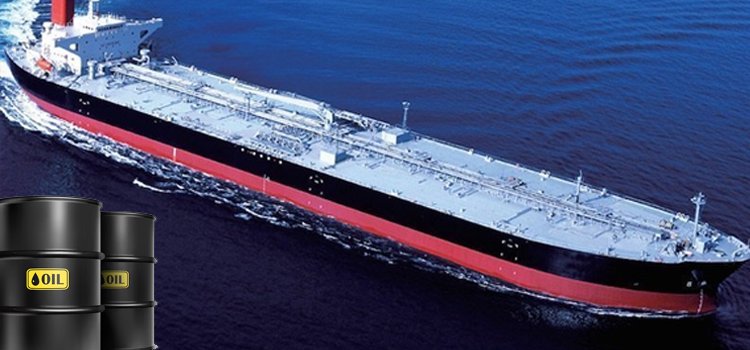
The deal, which will be officially signed on Friday, will reopen the Strait of Hormuz, the closure of which has choked off the world’s oil supply for more than three months.
Investors and businesses are relieved with the truce and expect prices of oil and gas to drop.
Despite a sharp fall in global oil and gas prices, the vital fuels may remain between $80 and $90 a barrel over the rest of the year, warn energy analysts.
The market is likely to grapple with a shortage for months as oil barrels slowly make their way out of the trading passage, and appetite for crude oil ramps up heading into the summer.
Market observers opine that it could be late July before mine-sweepers can assure mainstream shipping companies and their insurers that the trade route is for exports.
Even if ships now have safe passage, tankers are in the wrong place, with oil production and refining facilities yet to get up to full capacity.
Besides, questions over the cost and availability of insurance for ships traversing the strait will remain.
About 80 per cent of crude oil flows could resume by the end of the third quarter.
But exports of gas could take longer because of the damage from Iranian drone strikes on Qatar’s gas-processing facilities during the conflict.

















Report By
View Reporter News