
WORLD
G20 Milwaukee meet ends as ministers fail to reach consensus on four vital issues
- IBJ Bureau
- Oct 03, 2026
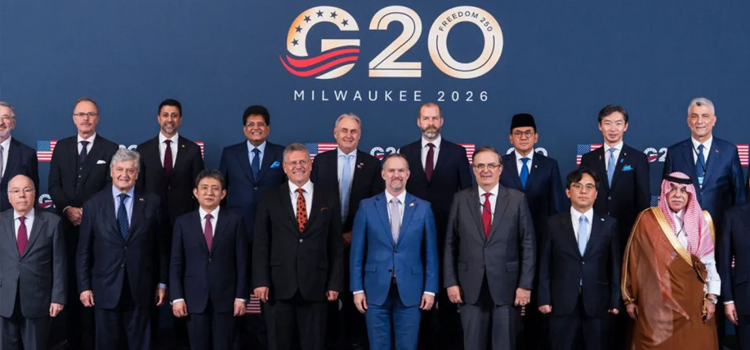
The G20 Trade Ministerial Meeting in Milwaukee, US, ended on Friday without a final joint statement because of disagreements over non-market policies and supply chain issues.
The Milwaukee meet, which includes representatives from the biggest industrialised countries and some emerging markets, found common ground on condemning food trade coercion but remained divided over how to tackle excess industrial capacity and forced labour in global supply chains.
The US had pushed for discussions on four areas of global trade, including the use of food as an economic tool, structural excess capacity and production, the Most Favoured Nation tariff system and forced labour.
The debate over excess industrial capacity has become a major issue for global manufacturers and trade policymakers.
The White House has accused trading partners of producing a gamut of goods in quantities surpassing demand, claiming that it sends prices downward and unfairly skews competition.
The Trump administration views China as the leading offender and has opened investigations into countries from Norway to Bangladesh.
Trade leaders also failed to reach a deal on forced labour, an issue the Trump administration has used as a justification for double-digit tariffs on more than 60 countries.
The trade ministers reached agreement on condemning the use of food and agricultural trade as a coercive tool but did not issue any joint statement.
India stressed the need to distinguish between coercive trade measures and legitimate policies aimed at protecting food security.
Commerce and Industry Minister Piyush Goyal said that food should remain a source of security, stability and cooperation.
The G20 ministers also failed to agree on language condemning forced labour in global supply chains.
The US has argued that products made using forced labour can gain an artificial cost advantage and distort competition in international markets.
















Report By
View Reporter News